
Why lakes matter
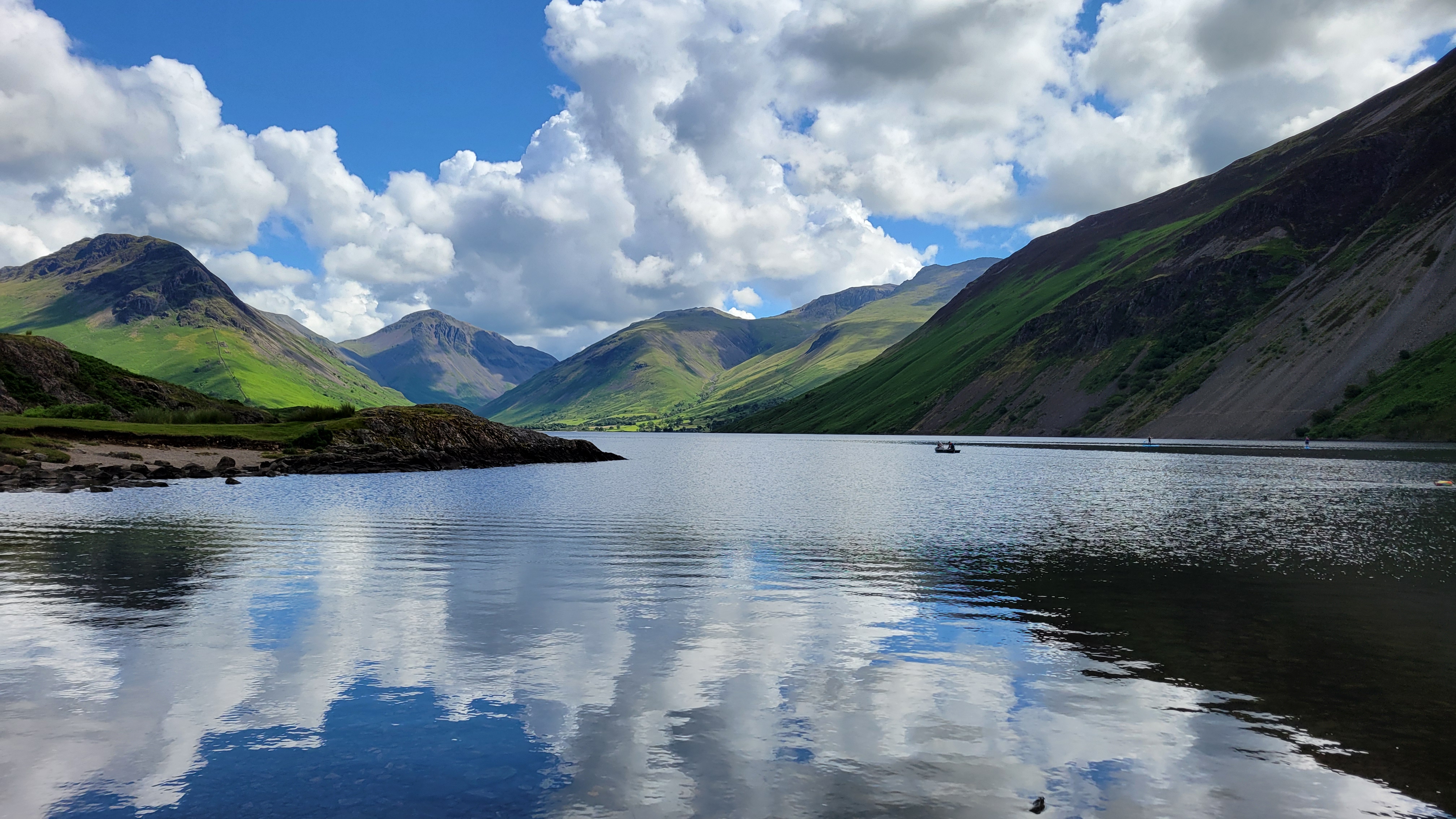
Lakes do far more than look beautiful. They provide drinking water, support wildlife, help power local economies and give us places to connect with nature.
But these vital ecosystems are under growing pressure. Lakes are at risk from pollution, habitat loss, invasive species and climate change.
Explore our Lakes Portal to view lake data and navigate via an interactive map.
Lakes are telling us something. We’re listening.
It isn’t possible to understand environmental change from a single snapshot. It takes evidence built up over time to see what’s really happening and what’s coming next.
UKCEH scientists have been monitoring lakes fortnightly for decades. When we decode our data, we can show how climate change is reshaping our lakes for nature and people.
We combine decades of data with cutting edge environmental DNA techniques, and AI and acoustic sensors, meaning our scientists can identify risks earlier and understand impacts across entire ecosystems.
Our science helps governments, businesses and communities make better decisions to protect what we love so that nature and people can thrive.

Head of Aquatic Ecosystems, UKCEH
Get involved
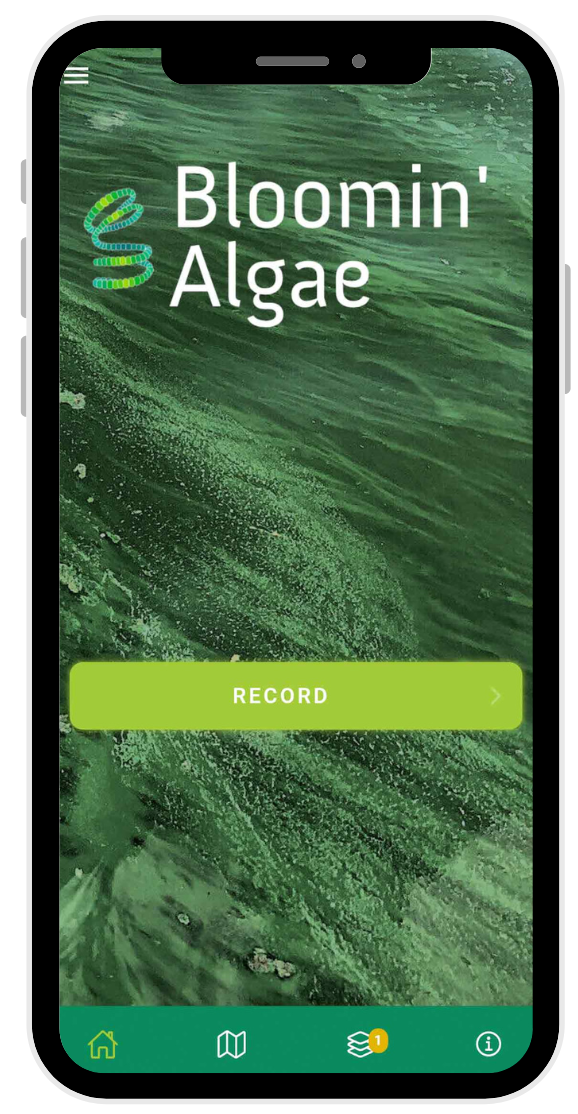
Become a citizen scientist to protect lakes and our planet for all that call it home. Report algal blooms, reduce plastic waste, respect wildlife, and clean equipment. We can all play a part.
You can download the Bloomin’ Algae app directly from Google Play or the App Store.


You can also report any wildlife you see when visiting lakes via iRecord.
Watch our videos
About UKCEH
UKCEH is a leading independent research institute with over 600 scientists studying how the natural world works. We work across land, water and air, because the environment is connected and we study it that way.
We aim to understand environmental systems and use that knowledge to build resilience for people and the planet.
Visit our main website